Tips for packing books, clothes and gadgets
Tips for packing books, clothes and gadgets
College life often means moving between dorms, apartments, and your family home. Whether you are leaving campus for the summer, studying abroad, changing roommates, or moving into a smaller space, storing your belongings can make the transition much easier.
However, simply placing everything into random boxes can lead to damaged books, wrinkled clothing, broken electronics, and unnecessary stress when you need to unpack. With the right packing methods and a reliable cheap storage option, you can protect your belongings without spending more than necessary.
Here are practical tips for packing your books, clothes, and gadgets before placing them in storage.
Start by Sorting Your Belongings
Before buying boxes or renting a storage unit, review everything you own. College students often accumulate textbooks, notebooks, clothing, decorations, kitchen supplies, and electronics throughout the semester.
Separate your belongings into four groups:
- Items you need immediately
- Items you want to store
- Items you can donate or sell
- Items that should be discarded
Reducing the number of items you store can help you choose a smaller and more affordable unit. It can also save time when you move back into your dorm or apartment.
How to Pack Books Correctly
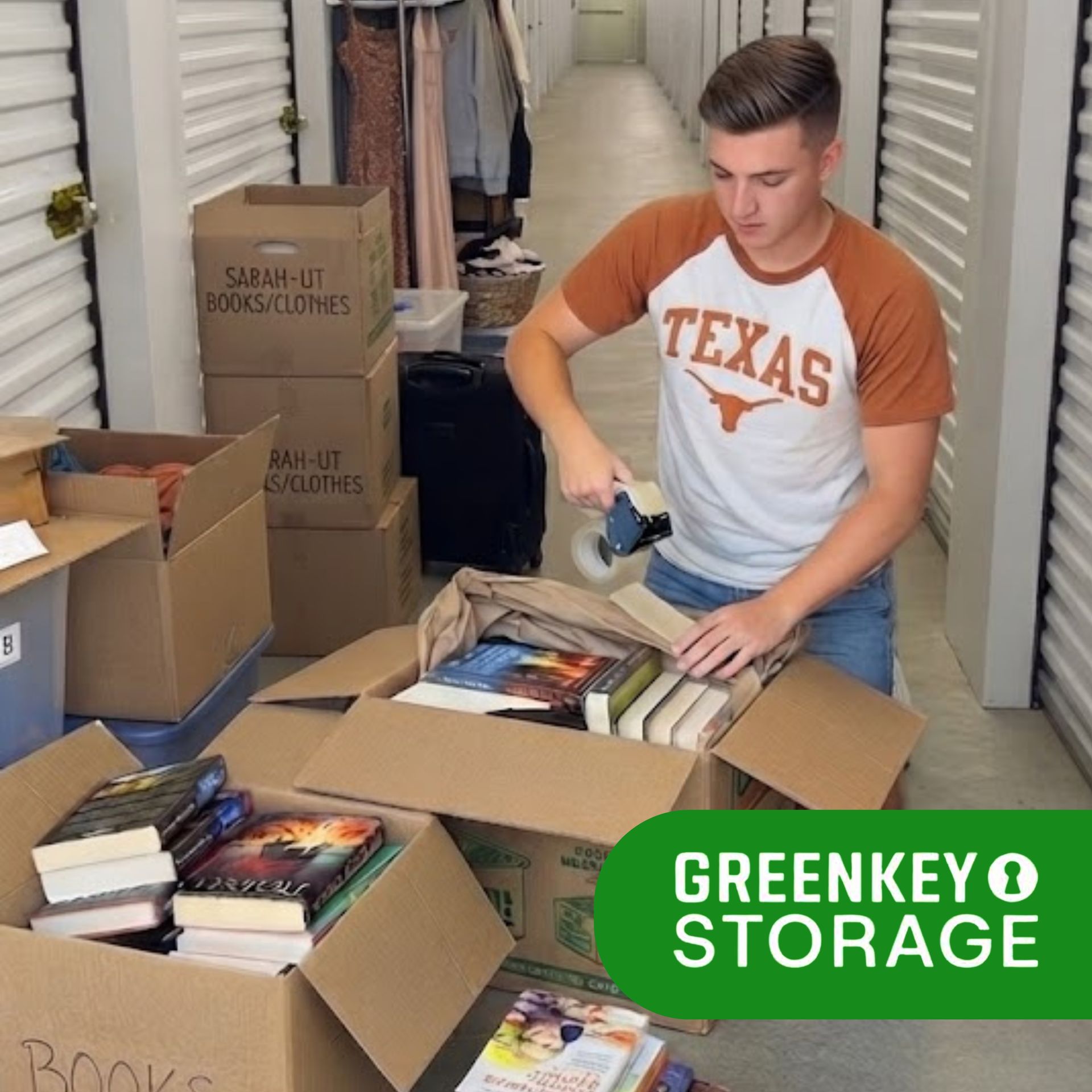
Textbooks and reference books can be expensive, so protecting them from moisture, dust, and physical damage is important.
Use small, sturdy boxes instead of large containers. Books become extremely heavy when packed together, and oversized boxes may break or become difficult to carry.
Place heavier books flat at the bottom of the box. Smaller and lighter books can be placed on top. Avoid storing books with the spine facing upward because this position may weaken the binding.
Fill empty spaces with packing paper, clean towels, or bubble wrap. This prevents the books from shifting while the box is being transported.
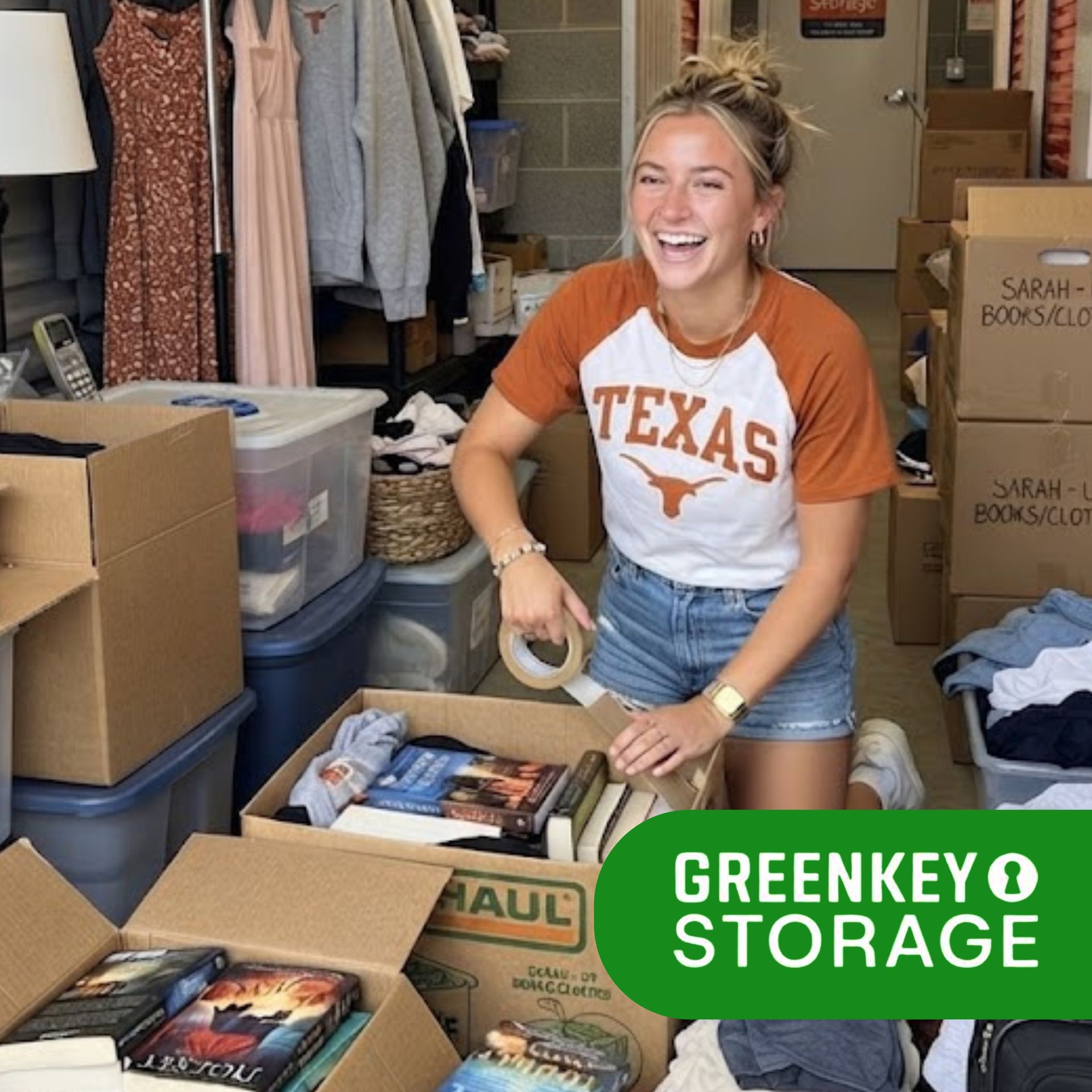
Make sure every book is completely dry before packing it. Even a small amount of moisture can cause mold or unpleasant odors during long-term storage. Seal the box securely and label it with the subject, semester, or type of book inside.
How to Pack Clothes for Storage
Clothing is usually one of the easiest categories to organize, but it should still be prepared carefully.
Wash and completely dry every item before packing. Food particles, sweat, and stains can attract pests or become more difficult to remove after several months.
Use clear plastic bins for clothing you want to protect from dust and moisture. These containers also make it easier to see what is inside without opening every box.
Vacuum-sealed bags can save space when storing jackets, blankets, sweaters, and other bulky items. However, avoid keeping delicate fabrics compressed for extremely long periods, as they may lose their shape.
For formal clothing, uniforms, or garments that wrinkle easily, use wardrobe boxes or breathable garment bags. Avoid storing clothing in thin grocery bags because they can tear and trap moisture.
Label containers by category, such as:
- Winter clothes
- Everyday clothing
- Bedding
- Shoes
- Sportswear
This simple step will make unpacking much faster.
How to Protect Laptops and Other Gadgets
Electronics require additional care because heat, moisture, dust, and impact can damage internal components.
Whenever possible, pack gadgets in their original boxes. These packages usually include protective inserts designed specifically for the device.
Before storing a laptop, tablet, camera, gaming console, or monitor, back up important documents and photos. Remove batteries from devices that will not be used for several months to reduce the risk of corrosion.
Wrap each device separately with bubble wrap or anti-static material. Place accessories, chargers, and cables in labeled bags so they remain together.
Do not use newspaper directly around screens or electronic surfaces because the ink may transfer. Use soft packing paper, microfiber cloths, or protective sleeves instead.
Store electronics above floor level and avoid placing heavy boxes on top of them. When storing valuable gadgets in Texas, a climate-controlled unit can offer additional protection from extreme temperature changes and humidity.
Label Every Box Clearly
A good labeling system can save hours of frustration. Write the contents of each box on at least two sides so the label remains visible when boxes are stacked. You can also assign numbers to the boxes and create a simple inventory list on your phone.
For example:
- Box 1: Textbooks and notebooks
- Box 2: Winter clothes
- Box 3: Laptop accessories and cables
- Box 4: Dorm decorations
Mark boxes containing electronics or fragile items so they are handled carefully.
Organize Your Storage Unit Strategically
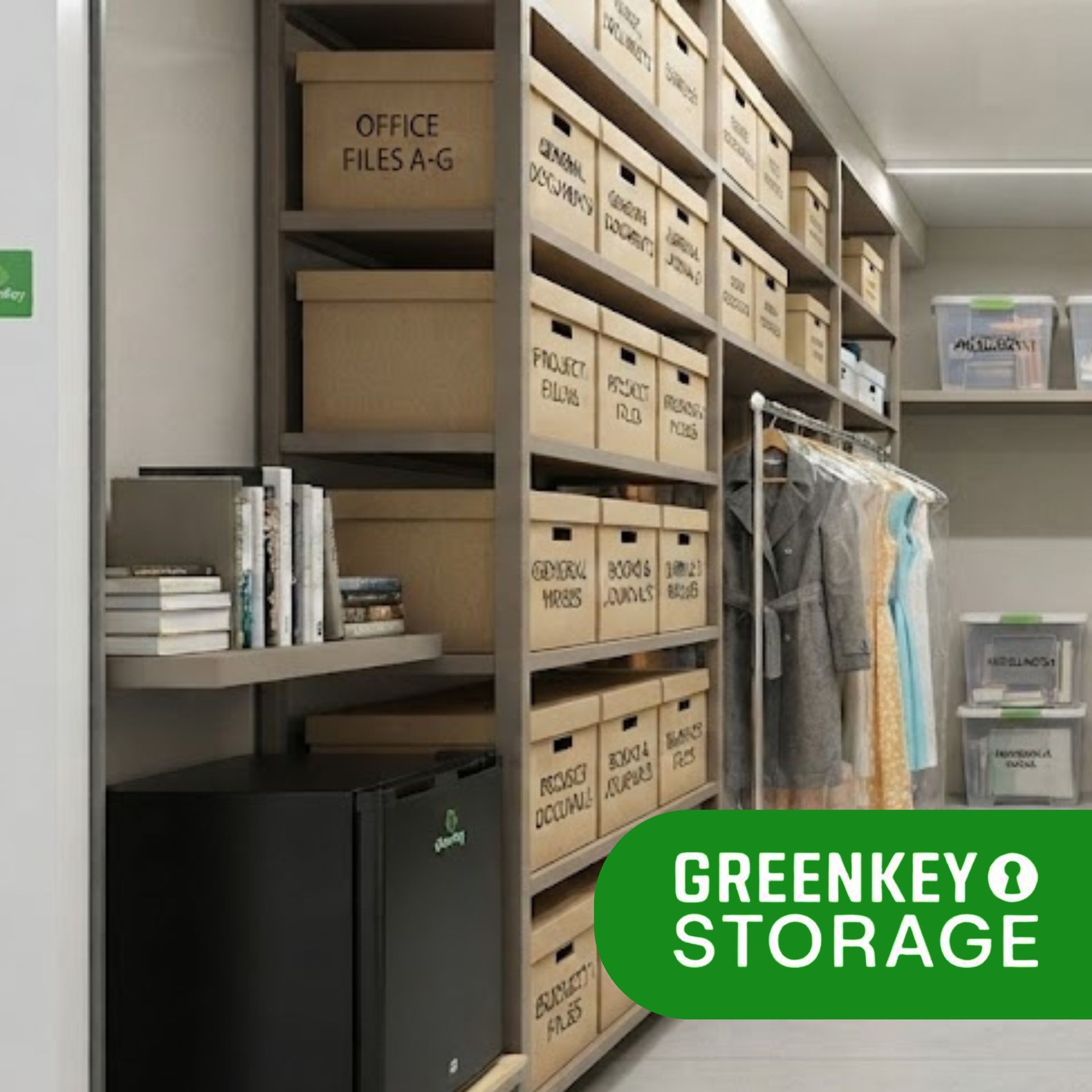
Place items you will not need soon toward the back of the unit. Keep frequently used belongings, seasonal clothes, important books, and school supplies near the entrance.
Use shelves or stackable containers to take advantage of vertical space. Keep heavy boxes at the bottom and lighter or fragile items on top.
Leave a small walkway through the unit so you can reach your belongings without moving every box.
Find Cheap Storage Near Your College
Affordable storage can be especially useful for students who do not have enough space in their dorm, need temporary storage during summer break, or want to avoid transporting everything back home.
When comparing cheap storage options, look beyond the monthly price. Consider location, security, access hours, unit size, online rental options, and climate-controlled availability.
Choosing the right unit size can also prevent you from paying for space you do not need. A smaller, well-organized unit may provide enough room for boxes, clothing, books, electronics, and basic dorm furniture.
Make Your Next College Move Easier
Packing carefully protects your belongings and makes every move less stressful. Sort your possessions, use strong containers, protect electronics from temperature changes, and label everything clearly.
GreenKey Storage offers convenient storage options for students who need extra space during school breaks, dorm transitions, or apartment moves.
Find the GreenKey Storage location nearest you and choose a unit that fits your college belongings and your budget.